
Room handover for learners in Yeagers Curve
A room handover gives the next member of staff a clear picture of the workspace and any jobs that still need attention. Compare your notes with the studio’s written processes during supervised learning.
Do the exercise first from memory, then revisit the relevant course material. Note the first decision you would change after checking the lesson.
A focused practice assignment
- Draft a mock end-of-appointment handover. Mark each outstanding task with the role responsible for checking it and the written procedure it relates to.
- Show a reviewer the first and final versions together. Ask whether they can explain the difference without hearing your notes.
- Save the two versions with dates and a one-sentence note about the change you made.
Use feedback to plan the next attempt
Use your course exercise to start a practical conversation with a tutor. Explain what you tried and ask for an example of what they would review first.
Take this question to a tutor or supervisor Where could a second person misunderstand the instructions in my notes?
Keep the original example beside the revision. Explain which decision changed, what prompted the change and which part still needs review. This gives the reviewer something concrete to assess at your next discussion.
Connect this exercise with booking and access
Some clients may ask for written information, a quieter time or more time to discuss their options. Use a fictional booking to practise taking an access request and passing on only what the studio needs to act on.
Draft a reply to a client asking for written information before their appointment. Explain what can be arranged and invite them to tell you what else would help.
After completing both examples, write a short comparison. Describe where the two tasks need the same preparation and where their aims differ. Choose one point to revisit in the course material, then record a question that would help a tutor review your reasoning.
Plan your learning from Yeagers Curve, United States
Start by deciding how body piercing training fits around your current commitments in Yeagers Curve. Set aside a regular study period for watching a lesson, a separate period for an assignment and time to review the feedback. Check the course outline for the materials and support relevant to the task before arranging a practice session.
When you contact a potential mentor, explain which part of the course you are studying and show an example of your work. Ask how observation, supervised practice and assessment are organised. Agree who reviews the work and how questions are handled between sessions.
Identify the state and local authority responsible for the proposed premises in Yeagers Curve. Ask about the training evidence and permissions required for the work you plan to do. For workplace exposure-control information, consult the separate federal safety guidance. Read OSHA bloodborne-pathogen guidance.
- Record the proposed working address and the activity you intend to offer.
- Ask which authority can confirm the local requirements for that activity.
- Discuss the practical evidence, supervision and assessment expected before client work.
- Check equipment, consumables, support and additional practical costs against the current course information.
Use the country directory to compare training information for other locations in United States. If you study online from Yeagers Curve and later plan to work elsewhere, repeat the location checks for the new premises. Browse training locations in United States.
Body piercing training for learners in Yeagers Curve
Skinart Training provides online body piercing education covering anatomy, placement, needles, jewellery, aseptic technique, sterilisation principles, consultation, age and consent checks, records and aftercare. Learners in Yeagers Curve can study the theory without travelling to a Skinart classroom.
This page describes online course availability; it does not claim that Skinart operates a physical classroom or piercing studio in Yeagers Curve. Practical competence requires appropriate hands-on development, supervision, assessment and compliance with the rules that apply in United States.
Assess anatomy and placement
Develop a repeatable process for checking suitability, marking accurately and selecting a placement that respects tissue, movement and healing.
Understand needles and jewellery
Study sterile single-use piercing needles, controlled handling, jewellery materials, sizing, fit and transfer principles before progressing appropriately.
Protect every client
Use careful screening, age and consent checks, aseptic setup, sharps control, clear aftercare and accurate procedure and jewellery records.
A practical learning focus for Yeagers Curve
A useful course focus is anatomy assessment and responsible placement, considered from the perspective of a beauty professional considering piercing services. Turn theory into a dependable routine through activities such as aseptic setup and breakdown simulations.
Strong body piercing work depends on more than a fresh photograph. Responsible education connects anatomy, placement, jewellery, aseptic technique, honest communication and review of healing outcomes.
Core areas to study and practise
Anatomy and suitability
Understand tissue, movement and anatomical variations and know when a requested piercing should be modified, postponed or declined.
Placement and marking
Plan angle, depth, alignment and jewellery fit for the anatomy and allow the client to review and approve the marks.
Needles and instruments
Learn sterile single-use needle principles, safe sharps handling, suitable receiving methods and controlled jewellery transfer.
Jewellery and materials
Study material quality, traceability, gauge, dimensions, threading, finish and anatomy-appropriate initial jewellery selection.
Asepsis and sterilisation
Apply standard precautions, hand hygiene, suitable PPE, protected surfaces, cleaning, disinfection, sterilisation and waste controls.
Consultation and aftercare
Verify age and consent, set realistic expectations, document the procedure and jewellery and provide clear healing and follow-up guidance.
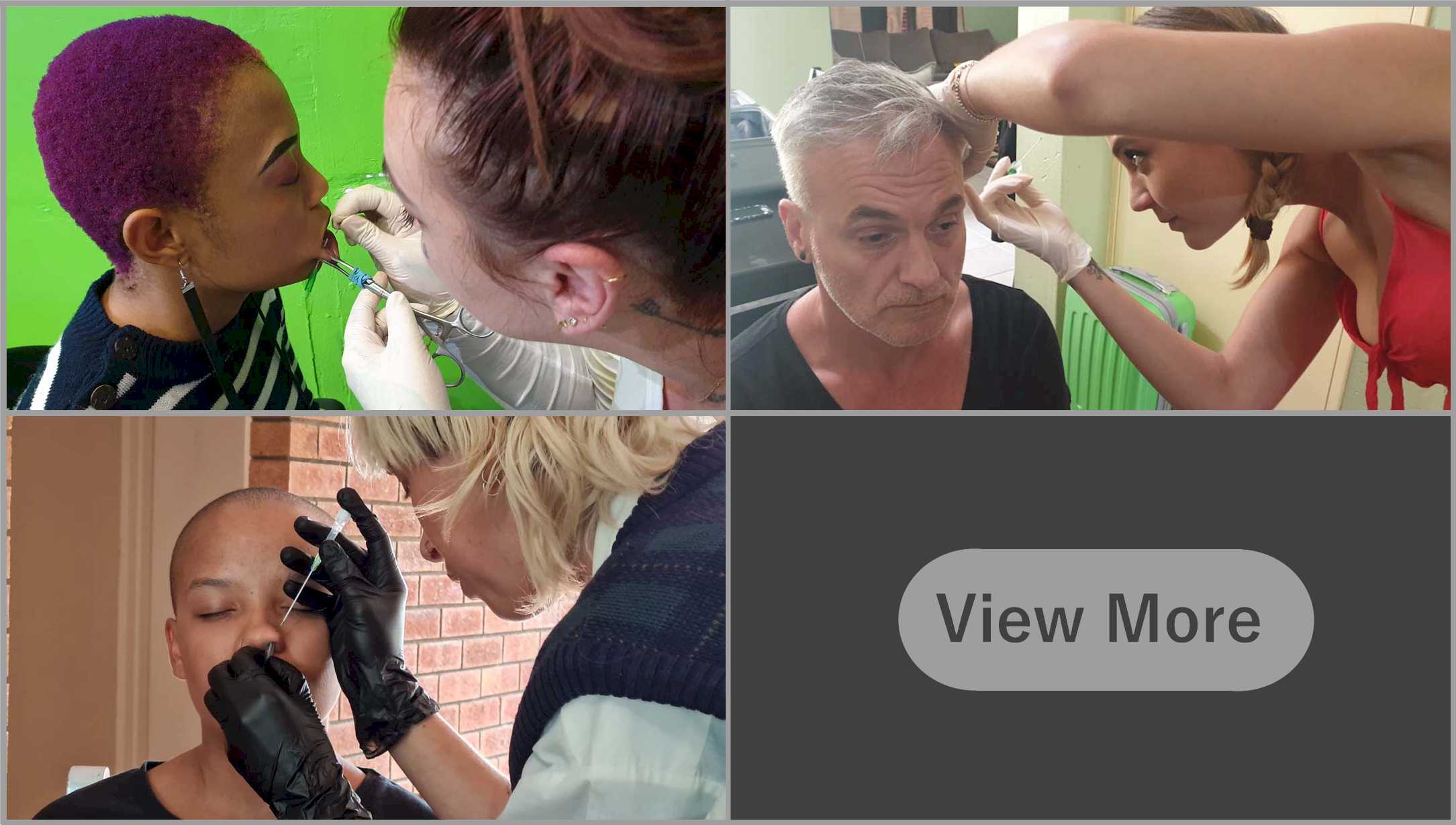
Check requirements in Yeagers Curve
Body piercing rules can be set nationally or by a state, province, region, municipality, health authority or professional regulator. Before piercing clients, confirm requirements for training, supervised practice, age and consent, licensing or registration, premises, sterilisation, insurance, infection-control education, records and waste disposal.
The course can support your knowledge and development, but only the relevant authority can confirm whether it meets a specific legal or licensing requirement in Yeagers Curve.
Professional standards and client trust
BAQA Standards supports clearer professional expectations across body art through guidance, membership, training and public verification. Body piercers, studios and trainers can use BAQA resources to strengthen hygiene, consent, record keeping, jewellery standards and continuing professional development. Explore BAQA Standards.
Check authoritative safety guidance
Course learning should be compared with current official guidance, product instructions and the rules that apply where you work. Review the authoritative body piercing safety references and international-use note.
More body piercing training locations in United States
Review the online body piercing course
Check the current curriculum, learner support, practical expectations, assessment and completion information before enrolling.
View body piercing course detailsBrowse United StatesCourse information is educational and does not replace medical, legal, licensing or insurance advice. Always confirm the current rules for your location and scope of practice.